
Snoring & Sleep Apnoea
Why do we snore?
Snoring relates to the collapsibility of the airway. With simple snoring, there is no full obstruction of the airway - the noise is simply the vibrations of soft tissue. Whilst this has little impact on the snorer, some do wake feeling unrefreshed, suffer headaches and a tenderness in the upper airway. More often it is those within close proximity that are profoundly affected.
Daytime sleepiness
Excessive daytime sleepiness (EDS) can result from insufficient oxygen entering the body and poor sleep quality. Effects of EDS include poor concentration levels, poor memory, reduction in performance and in extreme cases can also lead to the sufferer falling asleep unexpectedly.
Obstructive sleep apnoea
EDS can be a result of obstructive sleep apnoea, a more severe collapsing of the airway in which it is obstructed for multiple periods of time during sleep. Both in the form of a total pause or significant shallowing of breath. Oxygen levels dip and can result in symptoms ranging from extreme tiredness, abnormal movements whilst sleeping and headaches.
Solutions
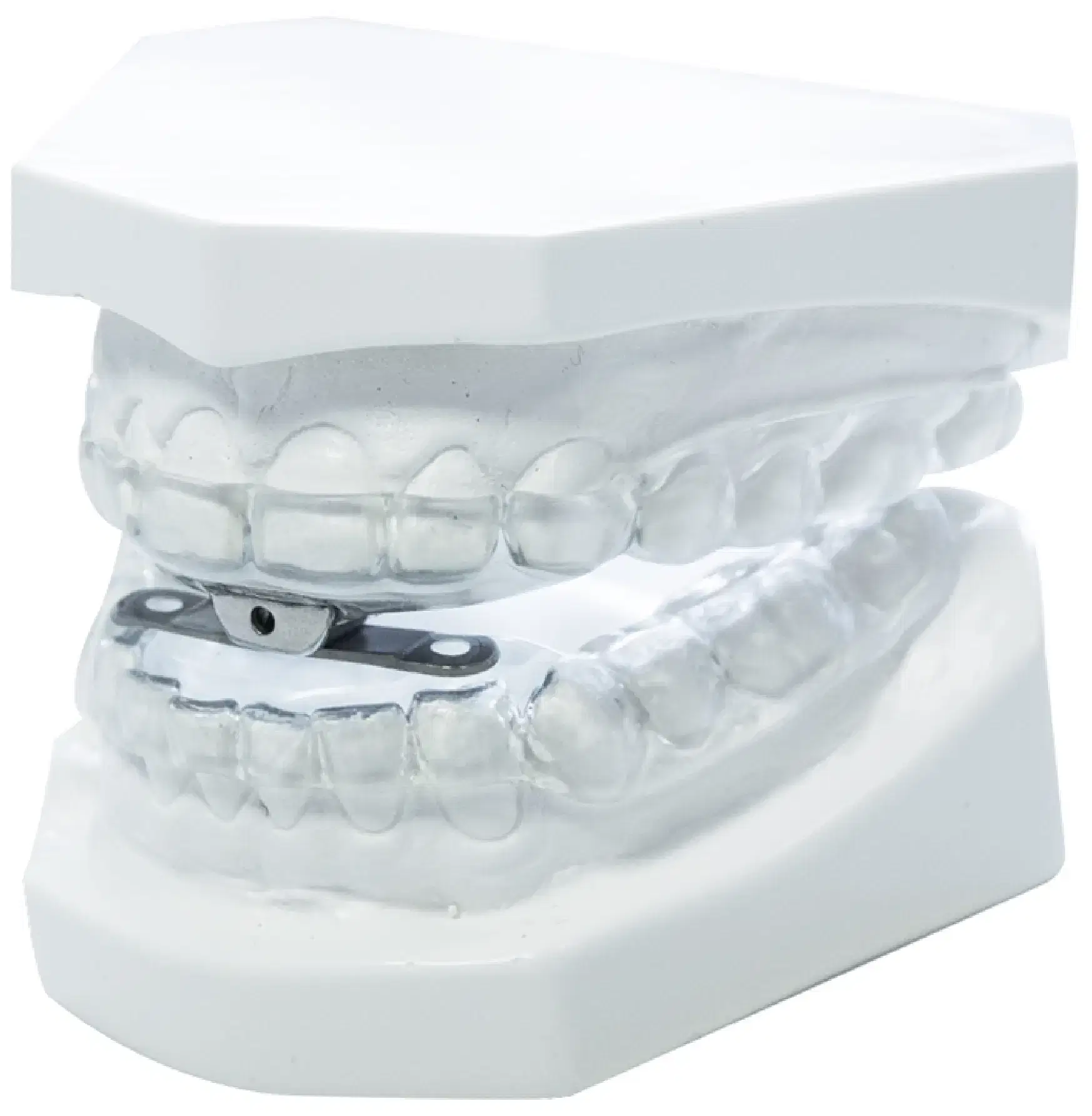
There are a number of solutions for both snoring and sleep apnoea. Mandibular Advancement Splints (MAS) are commonly used for both, gently holding the lower jaw forward to keep the airway open.
For severe sleep apnoea, Continuous Positive Airway Pressure (CPAP) is recommended and offers the highest clinical success. For those that cannot get on with CPAP and for moderate sufferers, a splint is the most common treatment of choice.


Early Morning & Evening appointments available on request Please call 01902 763 200 to make an appointment
